February 1, 2026
3 minute read
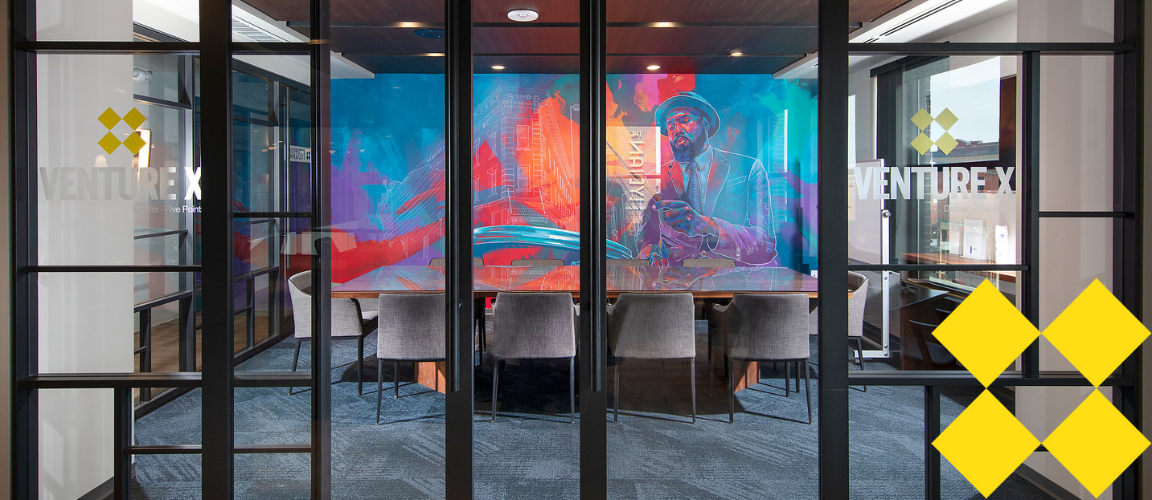
Working from home provides flexibility and convenience for early-stage businesses, but as companies evolve, their environments must evolve too. Growth shows up through client meetings that feel awkward over video, collaboration challenges across scattered locations, and mounting distractions that limit sustainable growth. Where you work influences how you work and how others perceive your business. Professional workspaces create structure and mental separation that supports clearer thinking, focused execution, and healthier routines while signaling credibility to clients. Growing businesses look for flexibility and scalability without long-term lease commitments. Flexible workspaces provide structure without rigidity, professionalism without overhead, and environments that evolve with your business from dedicated desks to private offices and enterprise suites.
Table of Contents:
Working from home can be a powerful starting point for modern business owners.
It’s flexible, convenient, and often the easiest way to get a new business off the ground. For many founders and small teams, the home office phase is an important chapter in the early days of growth.
But as businesses evolve, the environments they work in need to evolve too. What once felt efficient can suddenly become limiting. Meetings get harder to manage. Focus becomes harder to protect. And the lines between work and life start to blur in ways that slow momentum and limit sustainable growth.
Outgrowing a home office isn’t a failure, far from it.
It’s a signal that your business is ready to take the next step.
Growth doesn’t always arrive with a dramatic moment. More often, it shows up in small ways that add up over time.
Client meetings start feeling awkward when they’re held over video calls that don’t quite capture your professionalism. Collaboration suffers when teammates are scattered across kitchens, spare bedrooms, and coffee shops. As your team grows, distractions multiply and conflicting work styles and locations become more prevalent barriers to growth.
There’s also a psychological shift that happens as businesses grow.
Founders and teams need space to think strategically, plan intentionally, and show up consistently. When your workspace no longer supports that shift, it becomes harder to operate at the level your business requires.
Where you work influences how you work. It also affects how others perceive your business.
Home offices are designed for convenience, not scaling a growing business. They’re filled with subtle cues that pull attention away from deep work and toward personal responsibilities. Over time, this can lead to decision fatigue, fragmented schedules, and lower-quality output that you, and your customers, can feel.
On the other hand, a professional, modern workspace creates structure. It offers physical and mental separation that allows you to step into “work mode” more easily and leave it behind at the end of the day.
That separation supports clearer thinking, more focused execution, and healthier (and therefore more sustainable) routines.
There’s also the matter of credibility. As businesses grow, client experience becomes more important. A polished, professional environment signals stability and credibility. It shows that your business is built to support long-term relationships, and that you’ve invested in the infrastructure and capabilities to meet your customers’ needs now and in the future.
Today, outgrowing a home office doesn’t have to mean committing to a long-term, traditional office lease.
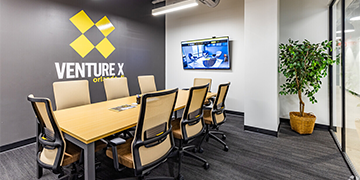
More and more businesses value flexibility and scalability, and at Venture X, they find they don’t have to sacrifice those goals to have a professional workspace.
They want access to private space for focused work and meetings, without being locked into long-term commitments. They want environments that can scale as their team grows, and that offer shared amenities without the burden of managing them. And they want spaces that support productivity, collaboration, and connection, without sacrificing adaptability.
This is why flexible workspaces have become a natural next step for growing businesses. They provide structure without rigidity, professionalism without overhead, and environments that evolve with your business, not expensive spaces that slow you down.
Moving into a professional workspace isn’t about abandoning flexibility. It’s about choosing an environment that supports the way your business operates now, and equips you for where you’re headed next.
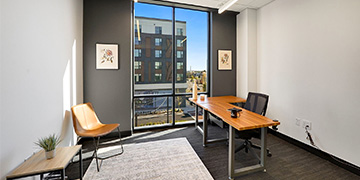
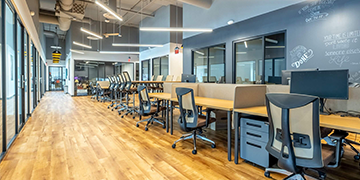
From dedicated desks to private offices and larger enterprise suites, Venture X has flexible, future-ready workspaces to accommodate your growing business for this next step … and the ones after that.