September 28, 2026

Dallas, thank you for choosing us again. Venture X Dallas – Braniff Centre has received the 2026 Readers’ Choice award for Best Coworking Office Space in the Dallas Observer’s Best of Dallas. Following our first win in 2025, this second consecutive recognition gives us another reason to celebrate the people who make our workspace a community.
For anyone searching for coworking space, private offices, meeting rooms, event space, or virtual office services in Dallas, this recognition offers a useful starting point. Choosing where your business works is a personal decision. Recognition from local readers adds another perspective as you compare locations, visit spaces, and decide what fits your needs.
A Readers’ Choice award reflects the preferences of the publication’s voting readers. That makes it meaningful local recognition for a business built around people and their working lives.
Receiving this honor in consecutive years is especially encouraging. For our team, it reinforces the importance of showing up consistently: welcoming people, supporting their work, and creating an environment they want to return to.
For prospective members, the award is a reason to take a closer look. Your own experience still matters most. A tour lets you evaluate the atmosphere, ask practical questions, and picture how your workday would feel here.
Coworking should help you build a productive rhythm. For remote professionals, entrepreneurs, and independent business owners, having a place to work can create separation between home responsibilities and business priorities.
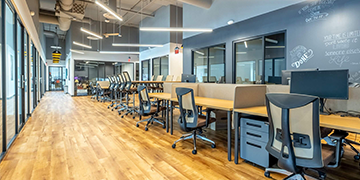
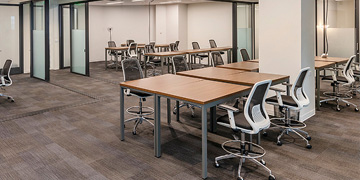
At Venture X Dallas – Braniff Centre, shared workspace and dedicated desk options give professionals different ways to participate. You can choose the arrangement that suits how often you work onsite and how much consistency you want.
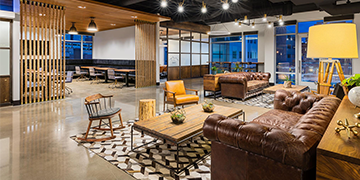
The value also includes opportunities for connection. A conversation with another professional can introduce a fresh perspective, a useful resource, or simply a familiar face during a busy week.
Searching for a private office in Dallas often starts with a practical need: somewhere to concentrate, meet clients, or bring a team together.
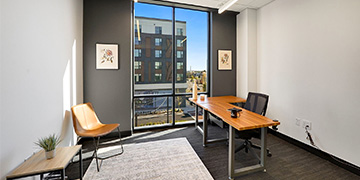
Our furnished private offices offer a professional setting with flexible terms. That gives individuals and growing teams an option to consider as their workspace requirements change.
When comparing offices, think beyond the room itself. Consider your daily schedule, the experience you want clients to have, and whether the surrounding environment supports your work. The right office should make those decisions easier to manage.
A meeting room shapes how people participate. Whether you are planning an interview, a presentation, or a team discussion, a dedicated setting helps give the conversation a clear purpose.
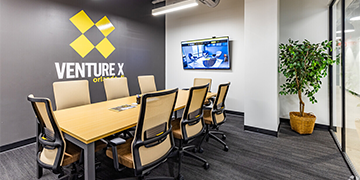
Our Dallas meeting rooms are available by the hour and include presentation and conferencing tools. This allows businesses to book professional meeting space when they need it.
Before reserving, discuss your group size, technology needs, and preferred setup. Matching the room to the meeting helps everyone arrive ready to contribute.
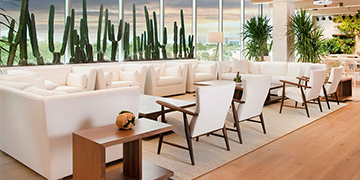
For anyone considering event space in Dallas, the guest experience deserves attention. A successful gathering starts with a setting that feels appropriate for your audience and makes interaction comfortable.
Ask our team about hosting your business event at Venture X Dallas – Braniff Centre. Talk through your format, attendance, and setup needs so you can assess the fit.
The coworking award offers an introduction to our community. Your event conversation helps turn that introduction into a plan suited to your guests.
You do not need a full-time office to benefit from a professional business location. Our virtual office offering includes a Dallas business address and mail services.
For professionals working remotely, separating a business mailing address from a home address can support privacy and a more consistent business presence.
When evaluating virtual office services in Dallas, ask what your selected plan includes and how mail is handled. Clear expectations help you choose a service that supports your actual routine.
Visit us at 7701 Lemmon Avenue, Suite 260, Dallas, Texas 75209, near Dallas Love Field. Our location offers free parking and access to several nearby Dallas neighborhoods.
We are grateful to everyone who voted and to the members who bring this community to life. Two consecutive awards make this a special milestone, and we look forward to welcoming more professionals through our doors.
Schedule a tour to explore your next Dallas workspace and find the right fit here.