May 1, 2026
8 minute read

Small environmental and behavioral changes create measurable improvements in workplace focus and energy. These ten adjustments address lighting, noise control, workspace organization, movement patterns, and digital habits that drain mental resources. Rather than requiring major lifestyle overhauls, these changes integrate into existing routines while delivering immediate productivity benefits. For professionals experiencing afternoon energy crashes, constant distractions, or difficulty maintaining concentration, these evidence-based strategies provide practical solutions that work within real workplace constraints.
Table of Contents:
Major productivity overhauls fail because they demand too much change at once. Small adjustments stick because they fit into existing habits while delivering noticeable results.
The cumulative effect of multiple small improvements often exceeds the impact of one dramatic change.
Focus and energy decline throughout the workday for predictable reasons: poor lighting causes eye strain, ambient noise creates mental fatigue, clutter generates visual stress, and prolonged sitting reduces circulation. Addressing these factors systematically restores and maintains mental sharpness.
Lighting quality affects focus more than most professionals realize. Poor lighting causes eye strain, headaches, and fatigue. Harsh overhead fluorescents create glare, while dim lighting forces your eyes to work harder. Natural light supports circadian rhythms and improves mood.
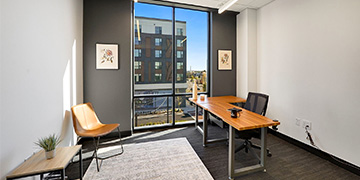
Workspace near windows provides significant advantages. Natural light regulates energy levels throughout the day. Morning light promotes alertness. Afternoon light maintains focus without artificial stimulation. When choosing a workspace, proximity to windows matters.
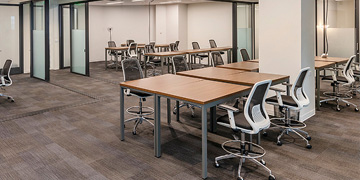
Modern coworking spaces and private offices prioritize natural light in design. Large windows, open floor plans, and minimal interior walls maximize daylight penetration. This design choice directly impacts occupant focus and energy.
When natural light is insufficient, layered artificial lighting works better than overhead fixtures alone. Adjustable lamps allow intensity control throughout the day. Aim for warm color temperatures in the afternoon to prevent the alertness disruption that cool blue light creates.
Noise management requires matching the sound of your environment to the task at hand. Complete silence helps some work, but background activity can energize other tasks. The wrong noise level for the work you’re doing can negatively impact your focus, and you may not even realize it.
Focused analytical work, writing, and complex problem-solving require minimal auditory distraction. Phone conversations in the background, keyboards clicking, and casual conversations all interrupt concentration. Private offices with sound insulation eliminate these interruptions.
Noise-canceling headphones provide temporary solutions but cannot replace truly quiet environments for sustained deep work. When work requires hours of uninterrupted concentration, physical space design matters more than a good pair of headphones.
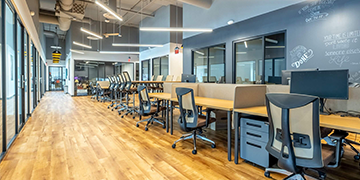
Brainstorming, collaborative planning, and creative exploration benefit from ambient energy. The background activity of busy spaces can stimulate creative thinking. Coffee shop energy without coffee shop unreliability comes from well-designed coworking areas.
The key is matching noise level to work type intentionally, rather than accepting whatever environment is available.
Visual clutter creates mental overhead. Every visible item represents a micro-decision or reminder that pulls attention away from current work. A clean workspace equals clearer thinking.
Spending five minutes at the end of the day clearing your workspace creates a clean start for the next morning. Filing papers, closing notebooks, organizing supplies, and removing coffee cups prevents accumulation. This small ritual also signals work completion, supporting mental transition to personal time.
Dedicated desks with adequate storage make organization easier. Built-in filing, shelving, and drawer space keeps necessary items accessible without creating surface clutter. Workspace design should support organization, not fight it.
Physical clutter gets attention, but digital clutter causes equal damage. Fifty open browser tabs, cluttered desktops, and overflowing download folders create the same mental overhead as physical mess. Regular digital cleanup maintains mental clarity just as physical organization does.
Staring at screens for eight straight hours guarantees energy crashes and harms your focus. Eyes need breaks, minds need mental shifts, and bodies need movement. Real breaks require stepping away from all screens.
Working in 50-minute blocks with 10-minute breaks maintains energy better than grinding through hours without a pause. During breaks, step away from the desk entirely. Walk to different areas. Look at distant objects to rest your eyes. Avoid checking your phone and replacing screen fatigue with more screen time.
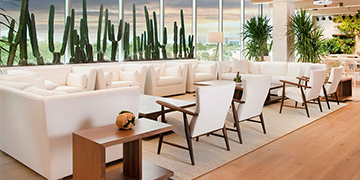
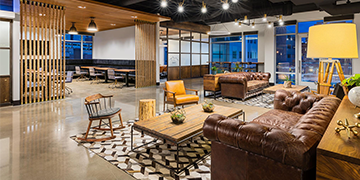
Workspaces with varied areas support effective breaks. Common areas, outdoor access, and spaces designed for informal conversation provide natural break destinations that rest the mind. Working in environments with these options built in makes taking real breaks easier and more sustainable.
Eating lunch at your desk while working is not a break. Real lunch breaks involve physical distance from your workspace, ideally outdoors or in dedicated break areas. This separation allows mental recovery that powers afternoon productivity.
Dehydration causes focus decline, headache, and fatigue long before obvious thirst signals appear. Maintaining consistent hydration throughout the workday helps you stay mentally sharp.
Keeping water immediately accessible makes consistent hydration effortless. Water bottles at desks work. Workspace locations with filtered water stations, coffee bars, and beverage services make staying hydrated that much easier.
Professional workspace amenities often include beverage service specifically because hydration affects productivity. This is not luxury, it is infrastructure supporting focus and energy.
Coffee and tea provide useful energy boosts when used strategically. Morning caffeine enhances alertness. Mid-afternoon caffeine prevents energy crashes. Late afternoon caffeine disrupts sleep, creating next-day energy problems. Timing matters as much as quantity.
Notifications, social media, news sites, and message apps destroy focus by fragmenting your attention. Each interruption requires mental recovery time that compounds throughout the day.
During focus work blocks, turn off all notifications. Disable email alerts, message app badges, and phone vibrations. The work requiring focus deserves your undivided attention. Everything else can wait 60 to 90 minutes.
This requires discipline but delivers immediate results. Two hours of genuinely focused work accomplishes more than four hours of interrupted work.
Close applications and browser tabs unrelated to current work. Each open item represents potential distraction. Minimizing options eliminates decision fatigue about where to direct attention.
Working in the same space all day creates mental stagnation. Changing your physical environment mid-day refreshes focus and provides new energy for the afternoon.
Professionals with access to multiple workspace types can match the environment to afternoon needs. Morning deep work in a private office followed by afternoon collaborative work in open coworking areas is a smart way to leverage different spaces throughout the day.
Access to multiple Venture X locations extends this flexibility. Professionals traveling for business maintain productivity by working from consistent professional environments in different cities. The environmental change provides mental refresh without the productivity loss of an unfamiliar workspace.
Even without changing locations entirely, small environmental shifts help. Moving from a desk to a different seating area for afternoon tasks creates a perspective shift. Working near a window versus interior space changes energy. These micro-adjustments compound throughout the week, use them.
Prolonged sitting reduces circulation, increases fatigue, and decreases focus. Regular movement throughout the day maintains physical and mental energy.
When meetings do not require screens or document review, walking meetings provide discussion benefits while incorporating movement. This works particularly well for one-on-one conversations, brainstorming sessions, and check-ins.
Workspace with outdoor access or nearby walking paths makes this practical. Urban locations with walkable surroundings extend movement options beyond building interiors.
Beyond walking meetings, schedule brief movements every 60 to 90 minutes. Standing, stretching, or walking to a different floor maintains circulation and prevents the physical stagnation that drains energy.
Music, ambient sound, and visual backgrounds all affect focus and energy. Using these elements intentionally rather than randomly optimizes their impact.
Instrumental music supports focused analytical work without the distraction of lyrics. Upbeat music with vocals can energize creative or administrative tasks. Complete silence works best for some people during complex problem-solving. The important thing is to match the sounds around you to the work you’re doing.
What you look at affects your mental state. Windows with natural views reduce stress and support focus. Green plants improve air quality and provide visual rest points, but blank walls can create sensory deprivation that reduces energy. Thoughtful visual environment design supports sustained productivity.
Professional workspace design considers these factors. Biophilic design principles, varied visual interest, and access to nature views are not aesthetic choices, they are productivity infrastructure.
How the workday ends affects next-day energy and focus. Intentional closure creates better separation between work and personal time.
Taking 10 minutes to review accomplishments, plan tomorrow’s priorities, and organize your workspace creates closure. This ritual signals to the brain that work has ended. This mental transition prevents work thoughts from dominating evening hours.
Physical workspace separation also supports this ritual. Leaving an office creates natural closure that working from home lacks. For remote workers, creating substitute rituals like shutting down computers, closing office doors, or brief walks can help signal the same transition.
Ending each day by setting up tomorrow’s first task removes morning decision fatigue. Knowing exactly what to tackle first preserves morning peak energy for high-value work rather than planning.
Taken together and over time, these small changes compound into significant productivity improvements. These ten adjustments address the environmental and behavioral factors that drain focus and energy throughout the workday. Implementing even half creates noticeable results.
Find a Venture X location near you and see how the right environment can make you more productive.
What is the fastest way to improve focus at work?
Eliminate digital distractions during focus blocks. Turn off all notifications, close unnecessary applications and browser tabs, and put your phone on airplane mode. This single change delivers immediate focus improvement by removing the constant interruption cycle that steals your attention.
How does lighting affect workplace productivity?
Poor lighting causes eye strain, headaches, and mental fatigue. Natural light regulates circadian rhythms, improves mood, and maintains energy throughout the day. Workspaces with abundant natural light and adjustable lighting support sustained focus better than spaces relying solely on overhead fluorescent fixtures.
Why does changing work environments during the day help productivity?
Working in the same space all day creates mental stagnation. Changing your physical environment mid-day provides mental refresh and new energy for afternoon work. Different spaces also support different work types better. Private offices optimize focus work while collaborative areas energize creative tasks.
How often should I take breaks during focused work?
The 50-10 pattern works well for many professionals: 50 minutes of focused work followed by 10-minute breaks. During breaks, step completely away from screens, move your body, and look at distant objects to rest your eyes. This pattern maintains energy and focus better than working for hours without genuine breaks.
What workspace features most impact daily energy and focus?
Natural light, noise control, adequate storage for organization, varied seating areas for breaks, and access to movement space have major impacts on daily energy and focus. Professional workspaces designed with these elements built in support sustained productivity better than improvised home office setups or generic office environments.