June 1, 2026
5 minute read
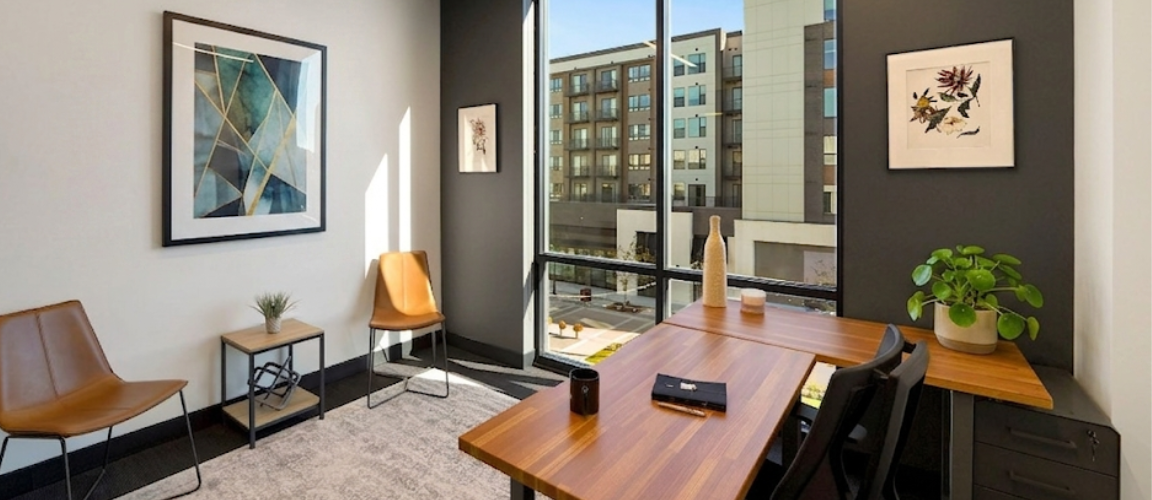
Your office design directly impacts how well you work. Small changes to lighting, furniture, layout, and environment can significantly improve productivity and focus. This guide covers 12 evidence-based office design tips including natural light optimization, ergonomic furniture selection, noise control strategies, color psychology, biophilic design with plants, temperature management, organization systems, technology setup, personalization balance, collaboration versus focus zones, air quality improvements, and break space design. These principles apply to home offices, private offices, and team workspaces.
Table of Contents:
Your office design directly impacts how well you work. The right lighting, furniture, and layout choices can dramatically improve your long-term productivity and focus.
These 12 tips are backed by research and apply to home offices, private offices, and team workspaces.
Natural light improves mood, energy, and sleep quality.
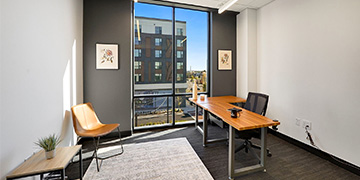
Position your desk near windows when possible, and avoid placing your monitor where it creates glare. If natural light is limited, use daylight-spectrum bulbs that mimic sunlight rather than harsh fluorescent lighting.
Your chair and desk setup affect both comfort and long-term health. Your monitor should sit at eye level, your feet should rest flat on the floor, and your elbows should form 90-degree angles when typing. An ergonomic chair with lumbar support prevents back pain during long work sessions.
Noise is one of the biggest productivity killers. Use noise-canceling headphones for focus work, add acoustic panels to reduce echo, and establish quiet zones in shared spaces. White noise machines can mask distracting conversations.
Pro Tip:
Pop on your headphones and play some white noise for the ultimate focus session.
Colors influence mood and energy in many different ways:
Avoid aggressive reds in concentration spaces, and use neutral tones as your base with strategic color accents.
If you’re not able to change your office decor, consider small lighting elements like salt lamps or colorful paperweights for your desk.
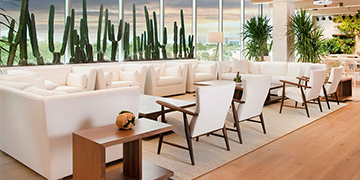
Plants improve air quality, reduce stress, and increase productivity. Even low-maintenance options like pothos, snake plants, or succulents make a difference. Position plants within your line of sight for maximum psychological benefit.
Studies show that workers in spaces with plants report 15% higher productivity.
Temperature affects cognitive performance as well, and most people work best between 68-72°F. Spaces that are too cold cause distraction as people focus on discomfort, while overly warm spaces create drowsiness. Ensure proper airflow with fans or ventilation systems to prevent stale air.
Visual clutter creates mental clutter.
Keep your desk clear of unnecessary items, use drawer organizers and cable management systems, and implement a filing system that makes documents easy to find. The “one touch” rule helps: handle each item once and put it where it belongs rather than creating piles.
Your technology should enhance your workflow, not hinder it. Use a second monitor to reduce window switching and improve multitasking. Position your keyboard and mouse to avoid repetitive strain. Invest in reliable internet and backup systems to prevent productivity losses from technical issues.
Personal touches make your space feel comfortable, but too much creates distraction. Choose a few meaningful items like family photos or artwork rather than covering every surface. The goal is to create a space that feels like yours without overwhelming your visual field.
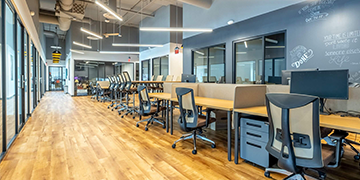
If space allows, separate areas for different work types to improve focus. Have a primary desk for concentrated work, a secondary space for video calls, and a comfortable area for reading or brainstorming.
Physical separation helps your brain shift between work modes, and moving between different workspaces throughout the day keeps energy levels higher.
Poor air quality causes headaches, fatigue, and reduced cognitive function. Open windows regularly for fresh air circulation, use air purifiers if you work in urban areas with pollution, and maintain proper humidity levels between 30-50%. Clean air filters regularly and avoid harsh chemical cleaners that release fumes.
Where you take breaks matters as much as your workspace design.
Create a break area that is completely separate from your desk, even if it is just a different corner of the room. Include comfortable seating, natural light if possible, and elements that help you mentally disconnect. Avoid taking breaks at your desk, which teaches your brain that your workspace is not for focused work.
Check out our educational blogs for more workspace tips and strategies.
Natural light has the strongest research support for improving productivity, mood, and sleep quality. If you can only change one thing, position your workspace near windows or invest in quality daylight-spectrum lighting. Light affects your circadian rhythm, which influences energy levels throughout the day.
A quality ergonomic chair typically costs $300-800 and is worth the investment if you work at a desk every day. Your chair affects posture, back health, and comfort during long work sessions. Adjustable standing desks start around $300-500. Prioritize chairs over desks if your budget is limited, as chair quality has a greater impact on health.
Yes, multiple studies show measurable productivity gains. A University of Exeter study found that plants in the workspace increased productivity by 15%. Plants reduce stress, improve air quality, and provide visual relief from screens. Even artificial plants provide some psychological benefits, though real plants offer additional air quality improvements.
Avoid bright reds and oranges in spaces requiring focus and concentration, as these colors increase heart rate and can create agitation. Dark colors in small spaces make rooms feel cramped, but all-white spaces can cause eye strain. Use aggressive colors sparingly as accents rather than dominant wall colors.
Start with free changes: declutter thoroughly, rearrange furniture to maximize natural light, and establish distinct work zones. Low-cost improvements include adding plants ($10-30), using desk lamps with daylight bulbs ($20-40), and cable management systems ($15-25). Improve what you have before buying new furniture.
Home offices benefit from clearer boundaries between work and personal space. Use distinct furniture, lighting, or room dividers to signal when you are in work mode. Traditional offices can be more utilitarian, while home offices often need stronger visual separation to maintain work-life balance and help your brain shift between modes.