November 1, 2026
4 minute read

Most private offices look good on a tour. The light is right, the furniture is new, and the door closes. But the details that shape your day only show up after you move in: how calls sound, who greets your clients, and whether the terms still fit six months later. Here is how to evaluate a private office beyond first impressions.
A private office in a coworking environment is an enclosed, lockable workspace inside a larger shared building. You get a room of your own for focused work and confidential conversations, plus access to shared amenities like meeting rooms, lounges, and staffed reception. A private office membership typically runs on flexible terms rather than a traditional lease.
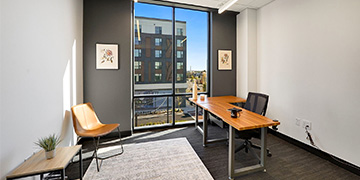
Furnishings and ergonomics. Sit in the chair. Check desk height, storage, and natural light. Ask whether you can bring your own furniture or customize the layout.
Visual and acoustic privacy. An enclosed office offers far more privacy than an open desk, but it is not automatically soundproof. If you take sensitive calls, listen from the hallway during the tour.
Internet and security. Ask about internet speed, network setup, and how the office is secured. If your work requires specific security standards, confirm them directly rather than assuming.
Access. Ask when you can get into the building and how entry works.
Guest reception. Find out who greets your clients and how visitors are announced. A polished welcome reflects on your business.
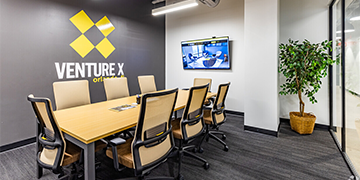
Meeting facilities. Even with your own office, you may need a larger room. Ask how meeting rooms are booked and whether credits or member rates apply.
Operational support. Printing, mail handling, cleaning, and utilities should be clear from the start. Ask what is included in your monthly membership and what costs extra.
Membership flexibility. Ask about term lengths and what happens if you need to add an office or move to a team suite.
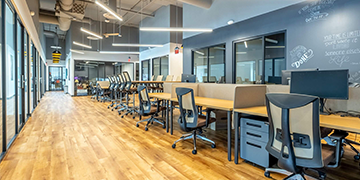
Community. A private office does not have to mean isolation. Ask about member events and shared spaces where you can connect with other professionals.
Neither is better; they serve different needs.
| Consideration | Private office | Dedicated desk |
|---|---|---|
| Space | Enclosed, lockable room | Reserved desk in a shared area |
| Privacy | High, for calls and confidential work | Open environment |
| Best for | Client-facing work, small teams, sensitive conversations | Solo professionals who want a consistent setup |
| Team use | Fits one person or a small team | One person per desk |
| Community | Shared amenities and events | Shared amenities and events |
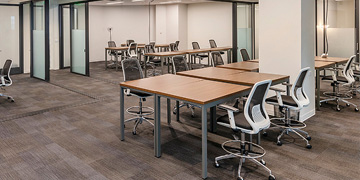
If you mostly need a consistent spot and rarely take private calls, a Dedicated Desk may be the better fit.
Get clear answers on access hours, included services, guest policies, term length, and options to expand. Inclusions vary by location and plan, so confirm details for the specific office you are considering.
Is a private office soundproof? Not necessarily. Enclosed offices offer strong privacy, but soundproofing varies. Test it during your tour.
Can I customize my private office? Often, within building guidelines. Ask your location team about layout, furniture, and branding.
Can my team share a private office? Yes, many offices accommodate small teams. Larger teams may want a team suite.
What is usually included? Inclusions vary, but commonly include furnishings, internet, reception, and shared amenities. Confirm the details for your membership.
Venture X Private Offices pair a furnished, enclosed workspace with hospitality, on-site support, and a professional community, all on flexible terms. Schedule a tour and bring this checklist with you.